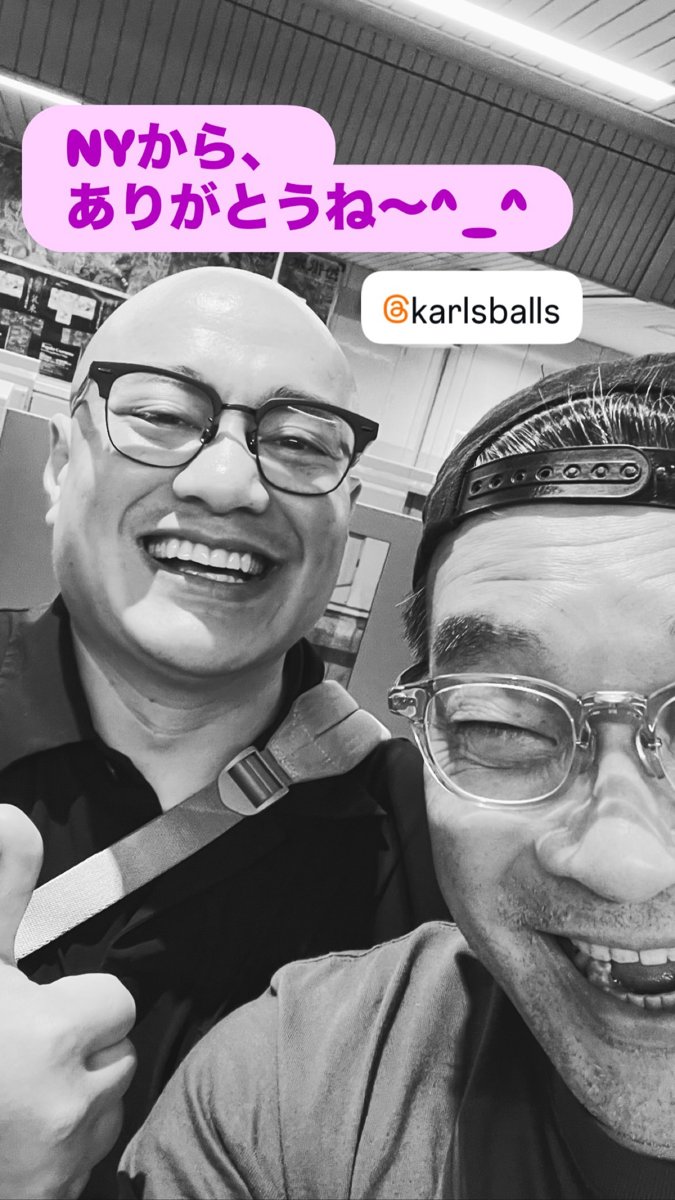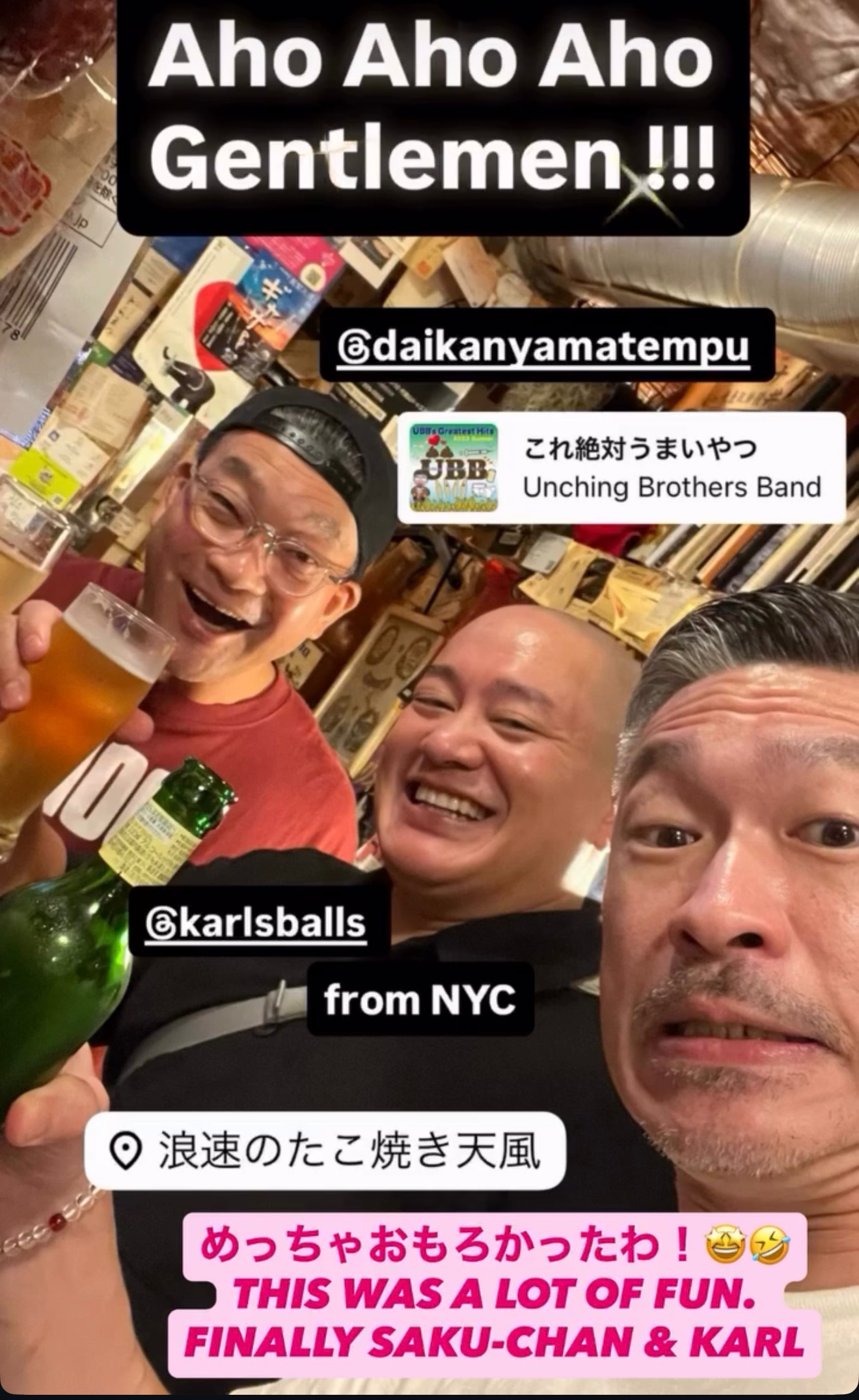
I landed at Itami Airport after transferring from Haneda, took the train to my hotel, checked in my bags, and left quickly to meet my friend Hiro Noguchi. Hiro is a freelance video producer doing documentaries and such, and he recently moved back to Osaka. Hiro directed two things that are very special to me. One is the "At NYC" segment from NHK BS1 that I was featured in, in 2017. Another is this awesome drum instructional video I used to watch in my 20s, for Rittor Music, called "Soul of the Funky Drummers" — about Clyde Stubblefield and Jabo Starks, the two famous drummers from James Brown. It's so interesting how my music and cooking connect with each other.
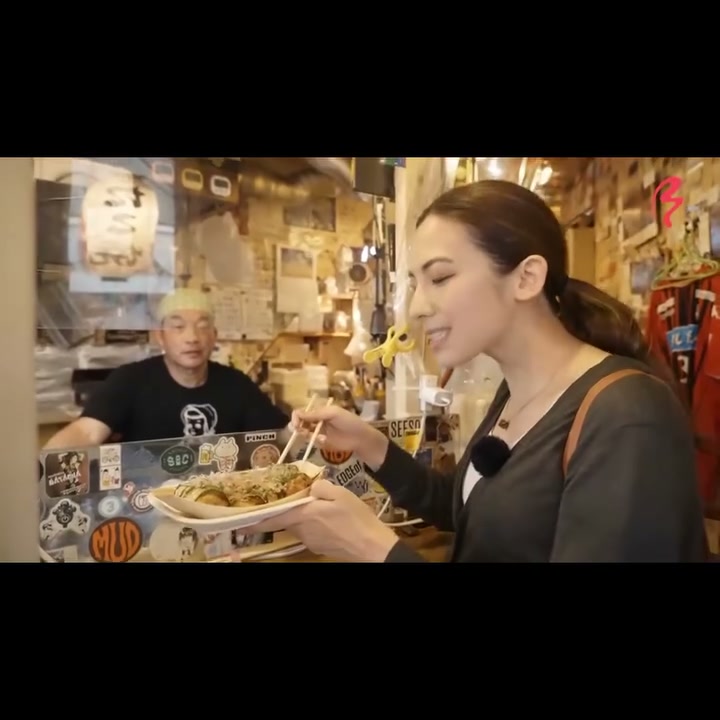
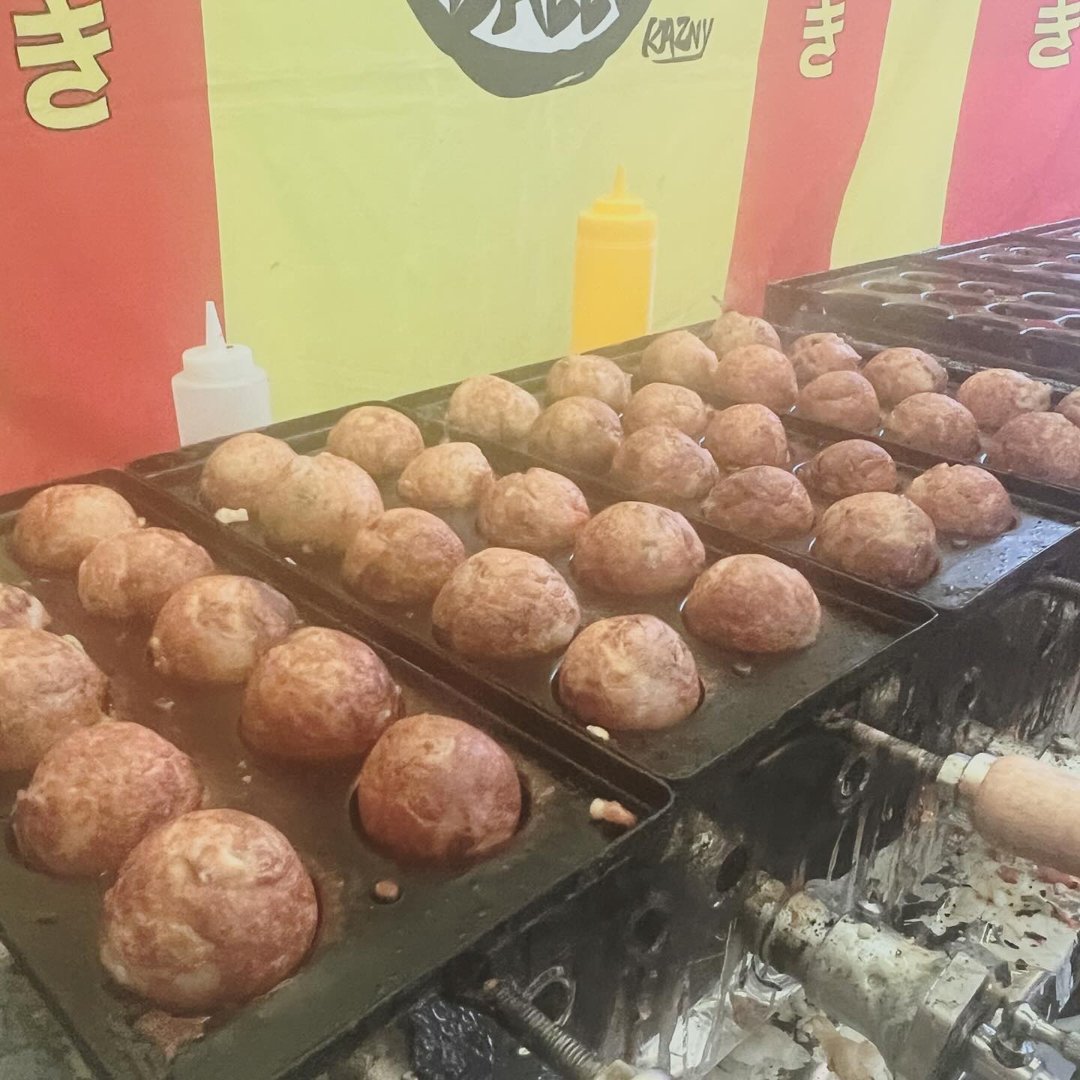
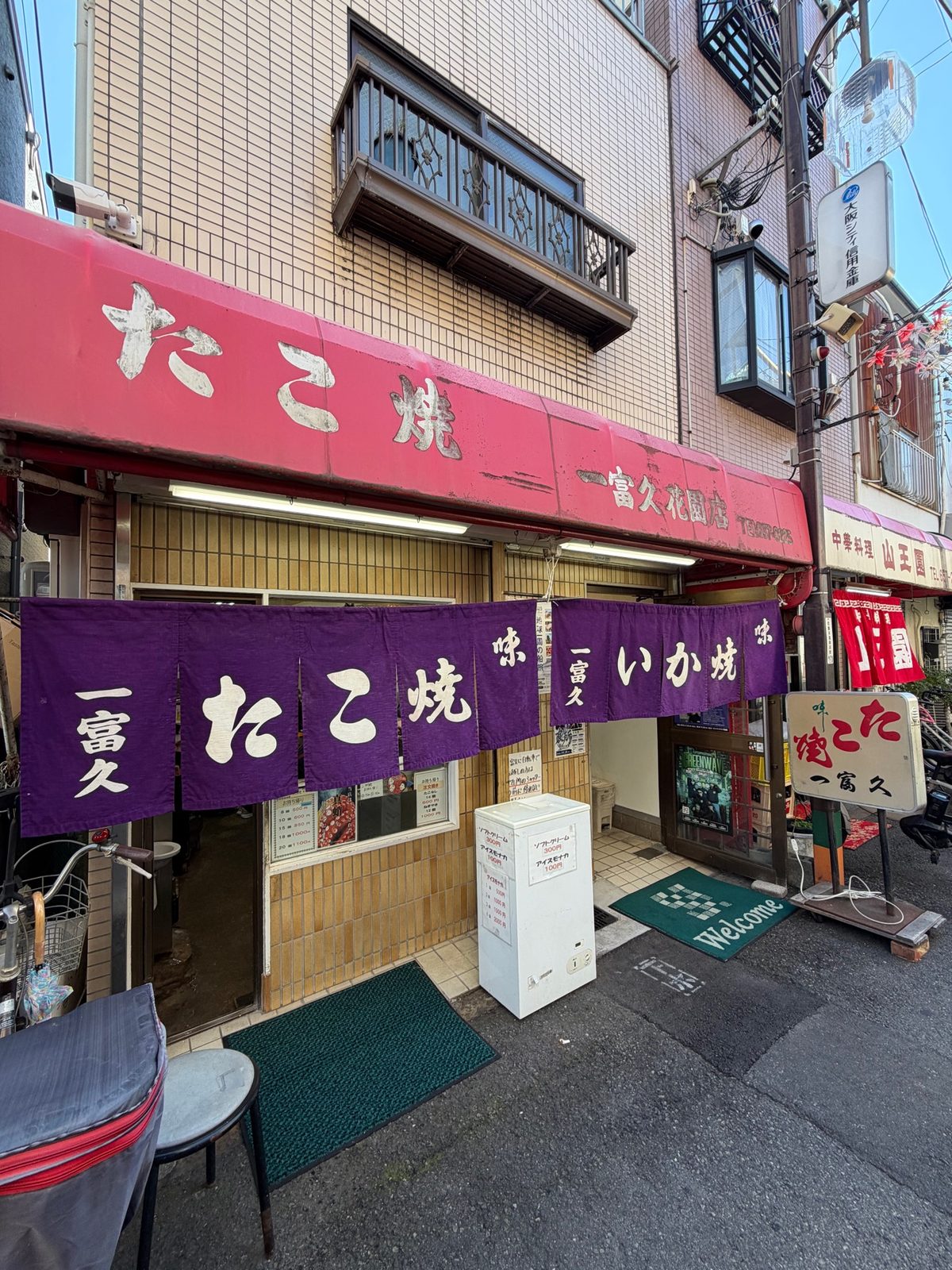
Ichifuku is an interesting place. They opened in 1957 — and before takoyaki, they sold roasted sweet potatoes. Sweet potatoes only sell in the cold months, so takoyaki and shaved ice came along for the rest of the year. When you walk in, it feels like you're walking into your grandmother's kitchen. It's almost like an American diner: a large kitchen counter, a bunch of people sitting at the counter eating, and all the griddles right in front of you.
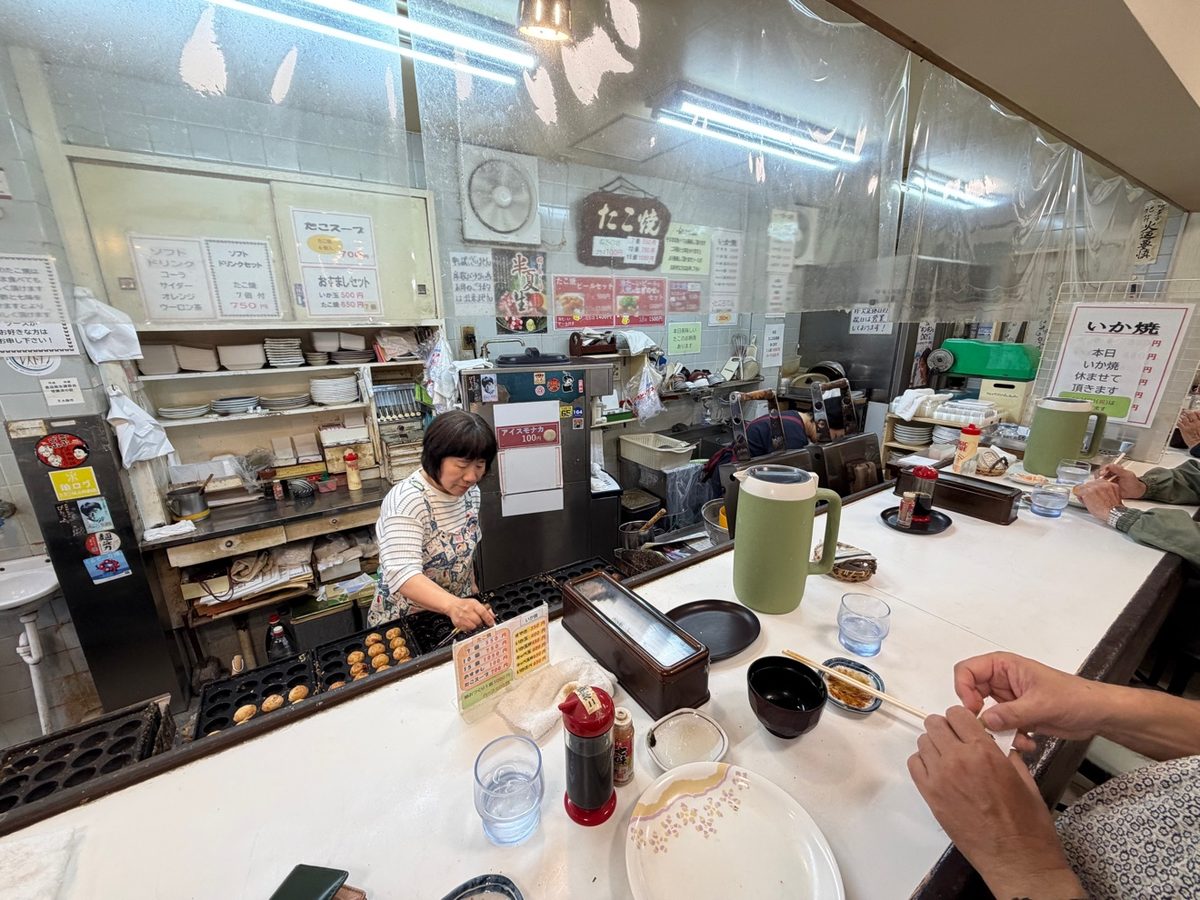
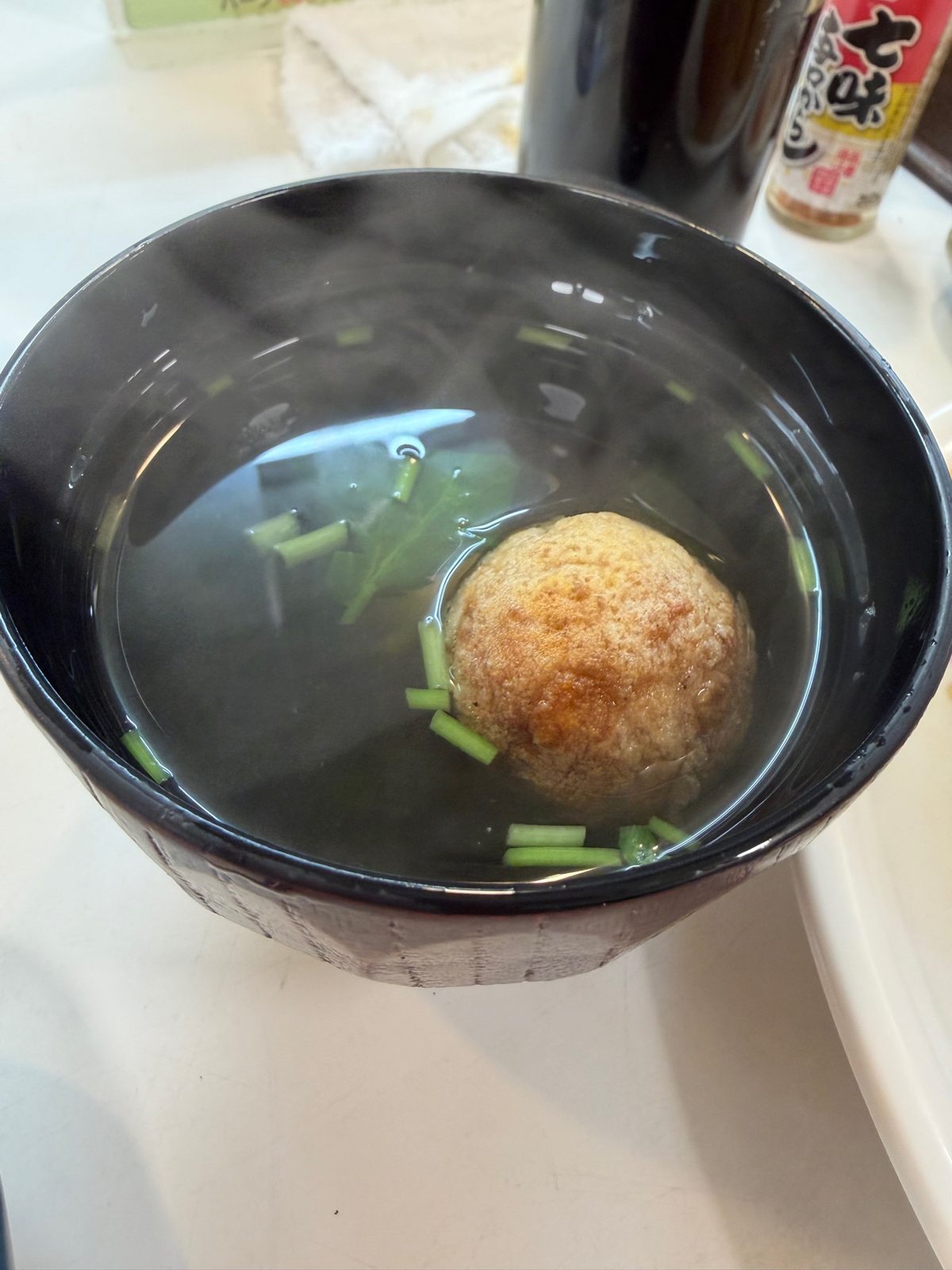
They serve so many different types of takoyaki, but their most famous is their dipping takoyaki — served plain, and you get a bowl of fresh dashi to dip in. This is really interesting because their dashi is made from scratch — kombu katsuo dashi — and they use a little bit of yuzu peel and mitsuba inside the soup for dipping. Everything is from scratch. Everything is old school. These are the type of places I like.
The Japan Konamon Association credits Ichifuku as the birthplace of negi-topped takoyaki. In 1969, the proprietress saw beautiful green onions at the greengrocer across the street, and started piling them onto the takoyaki. The green onion topping you see everywhere now started right there.
I was able to exchange business cards with the owner, and they were so intrigued and interested about a guy from New York City studying takoyaki and doing his best to preserve the culture from a country across the globe.
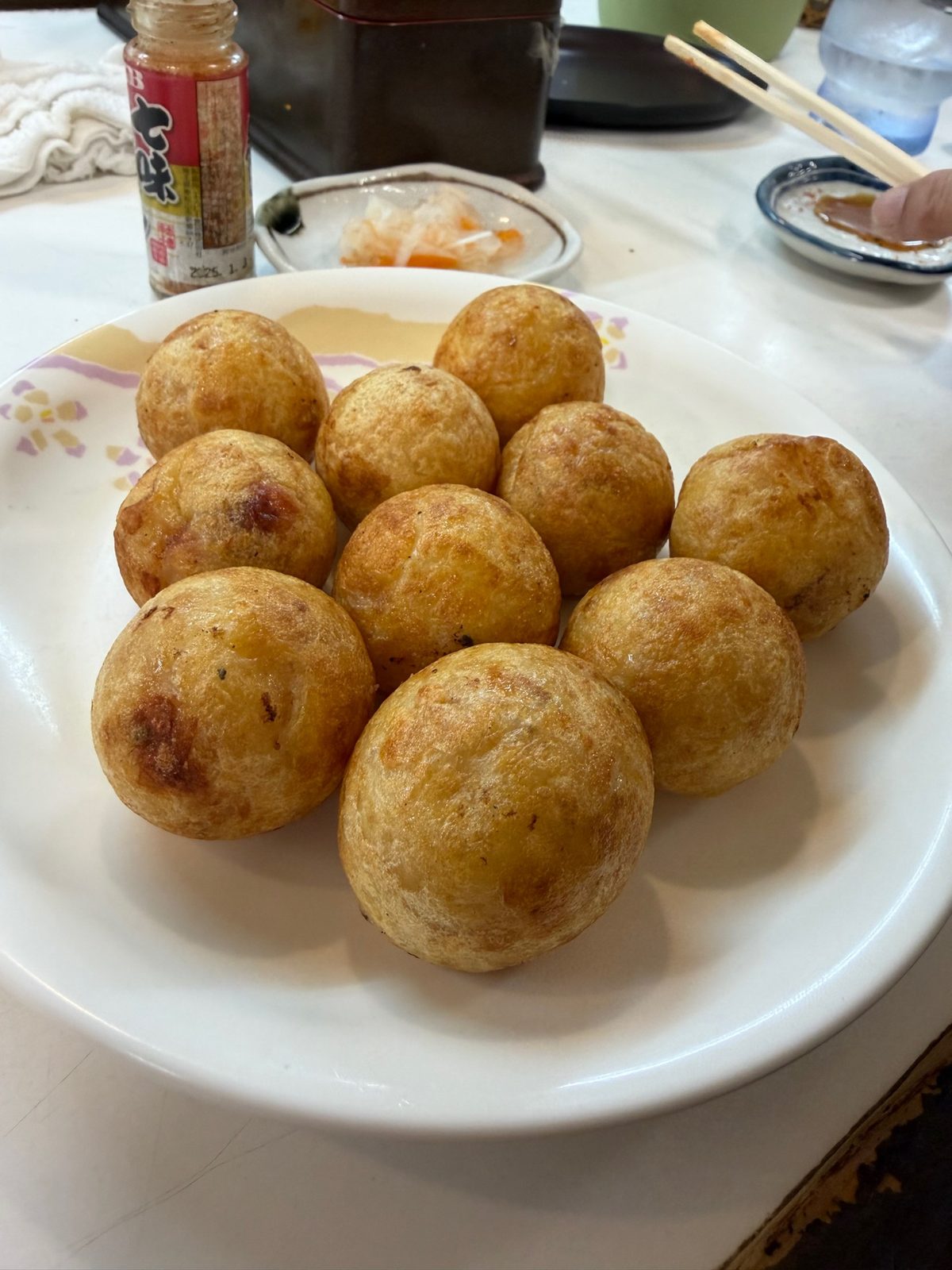
Upon the first bite, I suddenly realized why takoyaki is meant to be eaten plain. The dashi that they made punched right through the flour and right through the octopus. It was a thing of simplistic beauty — simplistic beauty — and I wanted to eat it over and over and again and again.
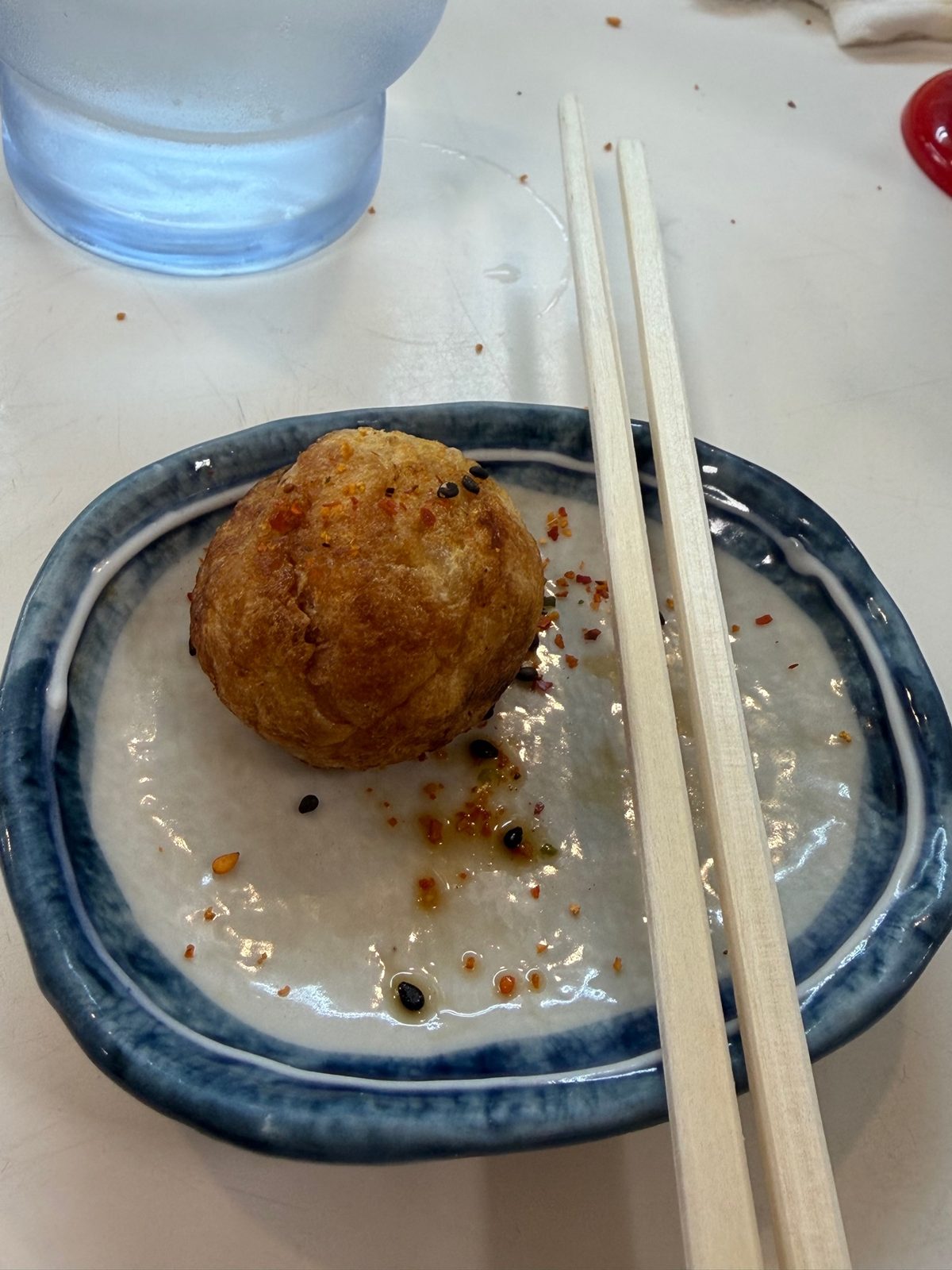
I also had the takoyaki with their seasoned vinegar and shichimi. That vinegar — nibaizu — is a tradition the owner inherited from her teacher. I never asked how to make it or what's in it. It was really good.
I'm so glad I started this research trip with Ichifuku. It prepared my palate, training it for subtleties. There is something that needs to be said about the legendary stores of Osaka, and I will cover them too, because there is a reason why those stores are still going and so legendary. But for now, researching the mom-and-pop stores and preserving their legacy through this blog is something I want to work on first — because without a resource like this, you, the reader, might not be able to encounter them at all.
— Karl
一富久:シンプルな美しさ 🐙
羽田で乗り継いで伊丹空港に着き、電車でホテルへ行き、荷物を預けて、すぐに友人の野口ヒロに会いに行きました。ヒロはフリーランスの映像プロデューサーで、ドキュメンタリーなどを手がけていて、最近大阪に戻ってきました。ヒロは私にとってとても特別な2つの作品を手がけています。1つは、2017年に私が出演したNHK BS1の「At NYC」。もう1つは、私が20代の頃によく観ていたリットーミュージックのドラム教則ビデオ「Soul of the Funky Drummers」です。ジェームス・ブラウンの有名なドラマー、クライド・スタブルフィールドとジャボ・スタークスについての作品です。音楽と料理がこうしてつながっているのは、本当に面白いです。
一富久は面白いお店です。創業は1957年。もともとは焼き芋のお店で、焼き芋は寒い季節しか売れないため、たこ焼とかき氷が加わりました。店に入ると、おばあちゃんの台所に入ったような感覚になります。アメリカのダイナーに似ていて、大きな厨房カウンターがあり、みんながカウンターに座って食べていて、鉄板は目の前にあります。
たこ焼の種類はたくさんありますが、一番有名なのはつけだしスタイルのたこ焼です。素焼きで出てきて、作りたてのだしのお椀につけて食べます。面白いのは、そのだしが一から手作りだということです。昆布とかつおのだしで、つけるスープの中には柚子の皮と三つ葉が少し入っています。全部が一から手作り。全部が昔ながらのやり方。こういうお店が私は好きです。
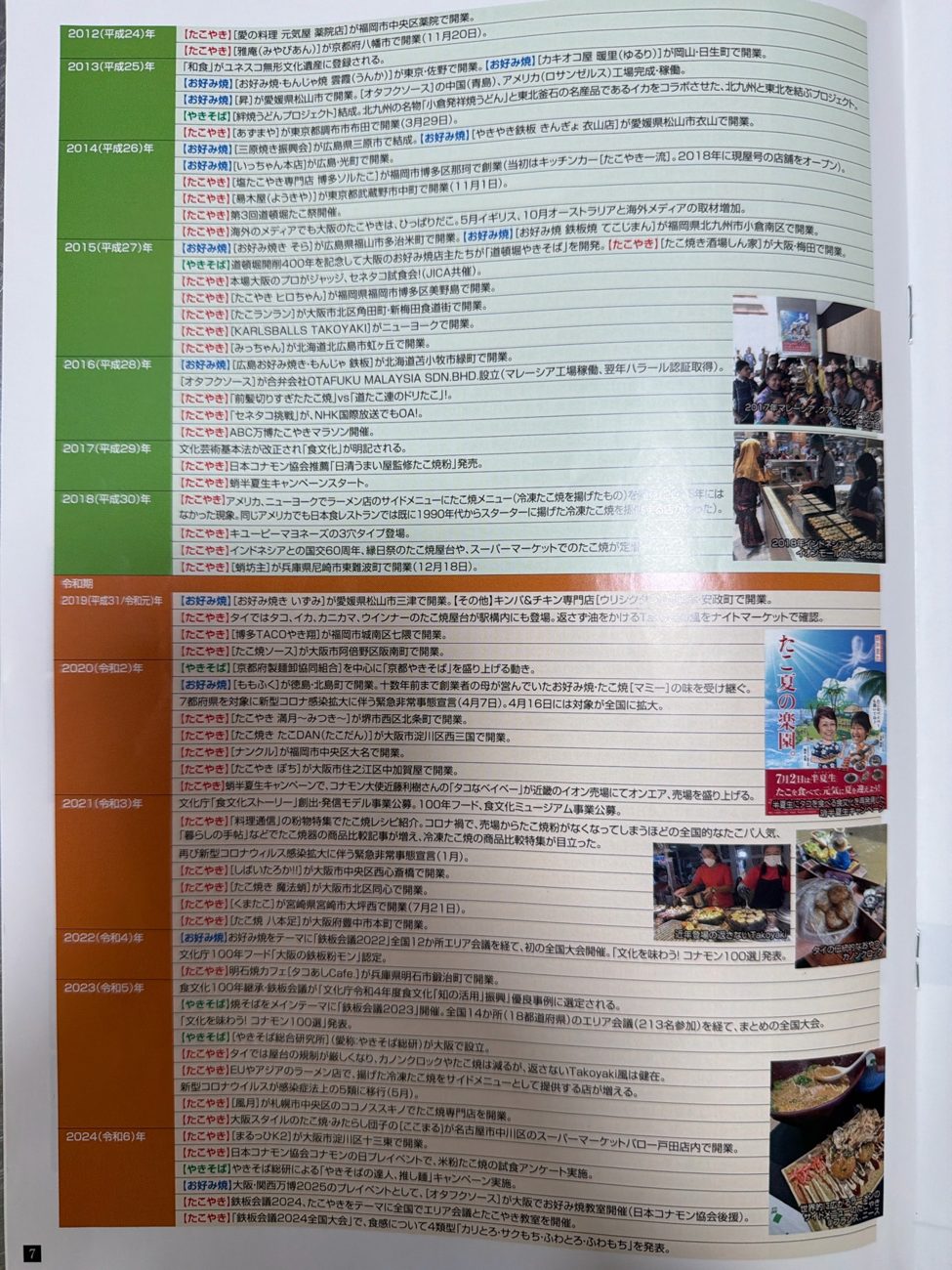
日本コナモン協会は、一富久をネギのせたこ焼の発祥の店としています。1969年、店主が向かいの八百屋で立派なネギを見かけて、たこ焼にのせ始めたのが始まりです。今ではどこでも見かけるネギのトッピングは、ここから始まりました。
店主の方と名刺交換をすることができました。ニューヨークから来てたこ焼を学び、地球の反対側からその文化を守ろうと頑張っている男に、とても興味を持ってくれました。
一口食べた瞬間、たこ焼は素焼きで食べるものなんだ、と突然わかりました。彼らのだしは、小麦粉を通り抜け、タコを通り抜けて、まっすぐに響いてきました。それはシンプルな美しさ——シンプルな美しさ——で、何度も何度も食べたくなりました。
味付けのお酢と七味でいただくたこ焼も食べました。そのお酢「二杯酢」は、店主が師匠から受け継いだ伝統です。作り方も中身も聞きませんでした。本当においしかったです。
この取材旅行を一富久から始められて、本当によかったです。繊細な味を感じ取るために、私の舌を鍛えてくれました。大阪の伝説的なお店についても言うべきことがあり、それも取り上げるつもりです。あのお店たちが今も続いて伝説と呼ばれるのには、理由があります。でも今はまず、個人経営の小さなお店を取材し、このブログを通してその伝統を残していくことに取り組みたいです。こういう記録がなければ、読者の皆さんがこういうお店に出会うことはないかもしれないからです。
— カール